
Parametric Design took center stage at B.N. College of Architecture (BNCA), Pune, where the Department of Digital Architecture recently organized a three-day workshop titled ContextCraft – Vertical Morphologies.
The Parametric Design workshop focused on exploring high-rise building design across varied urban contexts while introducing students to computational design thinking and digital design tools.
The Parametric Design workshop was conducted under the guidance of Principal Ar. Anurag Kashyap, with support from Head of the Department Ar. Dhanashree Sardeshpande.
Also Read: Carbon Craft Design Secures TDB-DST Funding to Commercialize Ultra-Low Carbon Wall Claddings
The initiative was organized and conducted by Assistant Professors Ar. Supriya Ghadge and Ar. Kaushik Sardesai, who facilitated sessions designed to help students understand the fundamentals of algorithmic and computational design processes.
As part of the Parametric Design workshop, participants were introduced to digital design tools such as Rhino and Grasshopper.
Through these platforms, students learned how to develop design logic and construct algorithms for parametric modelling.
The sessions emphasized how Parametric Design methods can help architects generate responsive architectural forms by integrating multiple design parameters.
The workshop also introduced students to environmental analysis tools. Using the Ladybug plugin, participants explored factors such as solar exposure and climate conditions as parameters influencing architectural form.
Parametric Design: Environmental Data Can Inform High-Rise Design Decisions
This component of the Parametric Design workshop enabled students to understand how environmental data can inform high-rise design decisions in different urban contexts.
In addition to computational modelling, the Parametric Design workshop included sessions on AI-assisted visualisation tools. Participants experimented with platforms such as RayFlies and other AI-based systems to enhance presentation and rendering workflows.
These sessions demonstrated how emerging technologies are being integrated with Parametric Design practices in contemporary architecture.
The workshop also featured a guest lecture by Ar. Neeraj Mahajan from UNS, Amsterdam. During the session, he shared insights into the firm’s work and demonstrated the RayFlies AI rendering workflow, offering students practical exposure to how Parametric Design approaches are implemented in professional architectural practice.
Also Read: Beauty Tech Hackathon 2026: StartupTN Invites Innovators to Build AI-Driven Salon Technologies
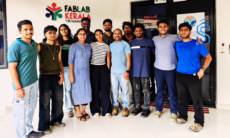
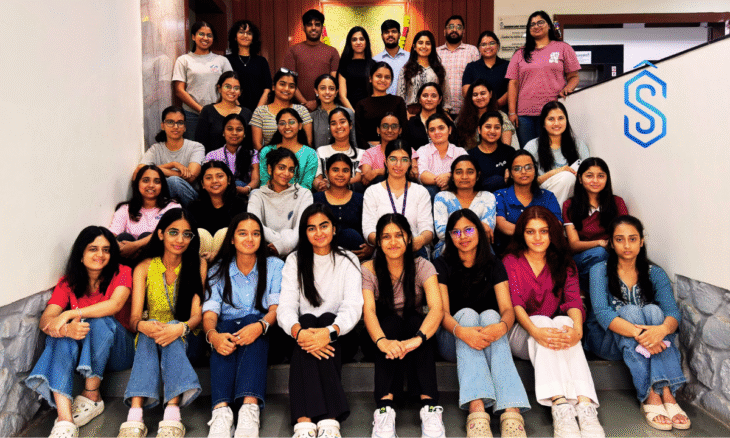
Students from different years of the B.Arch. program participated in the workshop, including many who were new to digital design tools.
Over the course of three days, participants developed data-driven high-rise design proposals and translated their digital models into physical prototypes using 3D printing.
By integrating computational modelling, environmental analysis, and digital fabrication, the workshop provided students with hands-on exposure to the evolving relationship between architecture, data-driven design, and emerging digital technologies.